
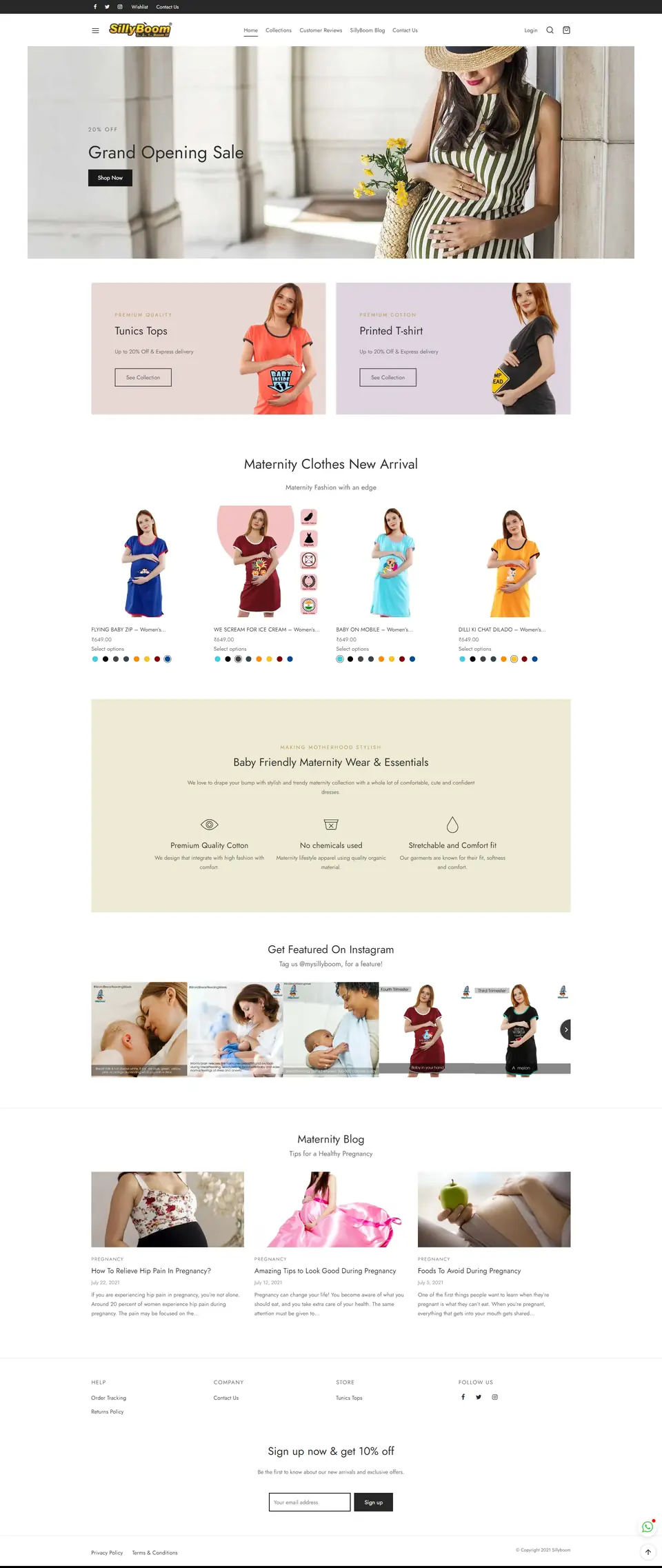
Silly Boom
Ecommerce · Bengaluru, India
Maternity fashion, pet products, anime gifts, custom canopies and flags, and an e-learning marketplace. Hover to scroll through each one.
Ecommerce · Bengaluru, India

Ecommerce
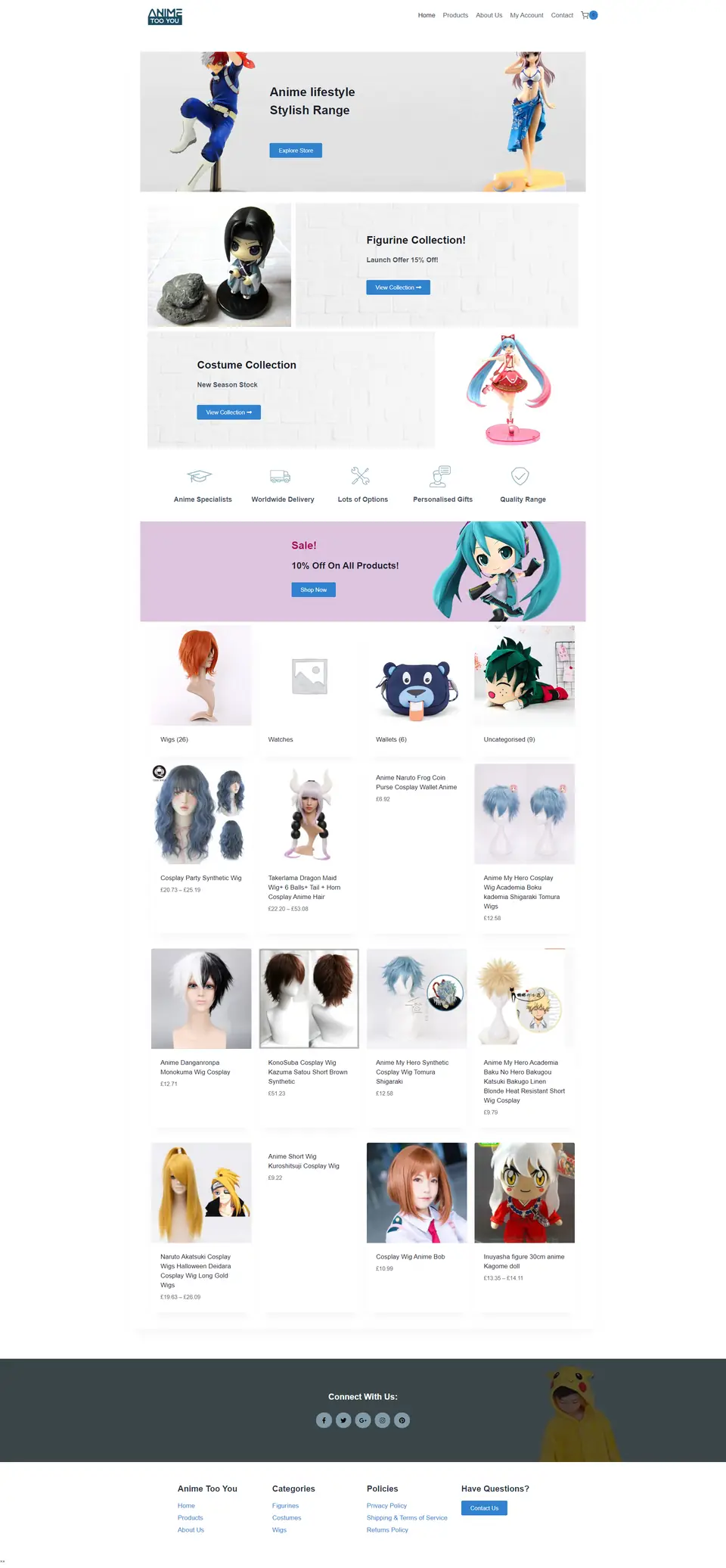
Ecommerce · United Kingdom
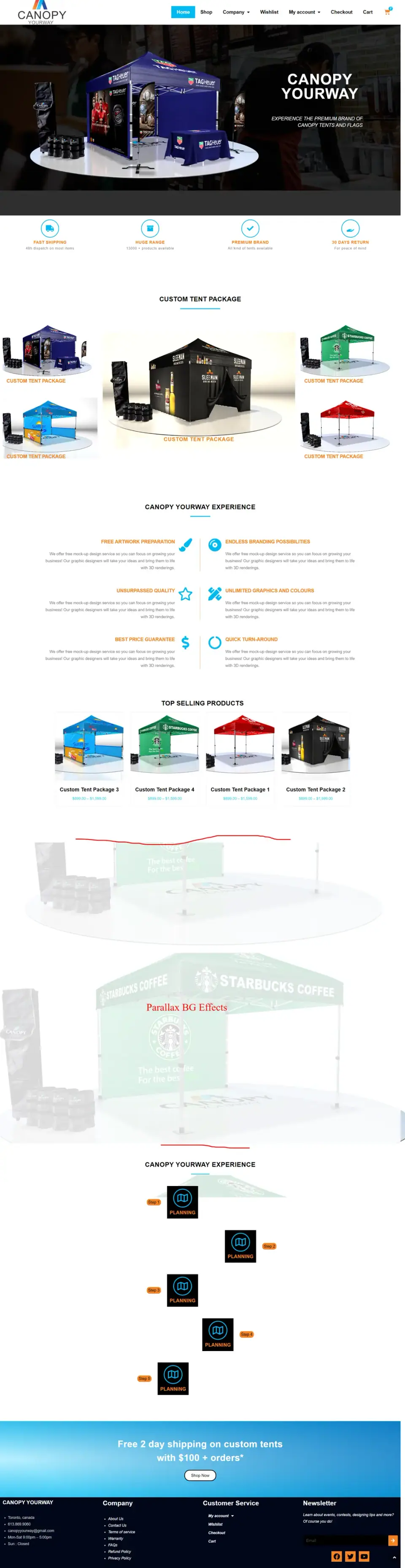
Ecommerce

E-Learning Marketplace
A marketplace gives you traffic, then takes a cut of every sale and keeps the customer. Your own store keeps the margin and the relationship, but only if it is built to sell.
That comes down to a few unglamorous things done well: fast pages, clear product information, a checkout with no surprises, and payments and shipping that simply work.
Surprise shipping costs, forced account creation, and too many steps lose buyers at the last moment. We keep checkout short and honest.
Good photos, clear prices, real details, and reviews answer the questions a shop assistant would. Thin product pages lose the sale.
Every extra second of loading costs buyers, especially on phones. We keep stores light: optimised images and only the apps you need.
On your own store, the email list and the repeat buyers are yours, not a marketplace's.
Stores have more moving parts than websites, so we plan the catalogue and checkout before building anything, and test real orders before launch.
Products, categories, variants like size and colour, shipping zones, taxes, and the checkout journey, mapped before we touch the platform.
The platform that fits your products and budget, set up for your country and currency. You see a working draft of the store on a private staging link before paying anything.
Products uploaded, payment gateways connected, shipping rules, coupons, taxes, order emails, and stock levels set up the way you actually run the business.
Real test purchases, refunds, and notifications checked end to end. Then launch with analytics and conversion tracking in place, and a walkthrough of how to run the store.
We build on all of these, so the recommendation is about your products, your budget, and how you want to run the store, not about what we happen to know.
Hosted and low maintenance. A strong choice when you want to run the store yourself and are happy with a monthly plan and app fees.
Ecommerce on WordPress. Full control, lower platform fees, and flexibility for complex catalogues, custom pricing, or content-heavy stores.
Hosted like Shopify, with more built in for larger catalogues and B2B selling, so fewer paid apps are needed.
A fully custom storefront with Stripe or another gateway, for when speed, a unique buying experience, or custom features matter most.
From $250
The final price depends on the number of products, the platform, custom design, and features like subscriptions or multi-currency. Most stores take 1 to 2 weeks.
Paid by PayPal or Wise. You get a fixed written quote before anything starts.
Running costs are separate and paid to the providers: platform plans, any paid apps, and payment processing fees. We tell you what to expect before you choose a platform.
Rahim KhanFounder, Website 2 Design
Rahim has built online stores and marketplaces, and works across Shopify, WooCommerce, BigCommerce, and custom code. Because we also run SEO and Google Ads, the store is built with selling in mind from day one, not just launch day.
You get one team for the store, the hosting, and the marketing that brings buyers to it.

Prefer email? Send a brief through the contact page and Rahim replies within one working day.
Verified Fiverr reviews from ecommerce projects.
“It was an amazing experience. This guy is down to earth, honest and helpful. The right guy who just implements what is in the client's mind. I would highly recommend Rahim, he knows what he is doing, and I finally found someone after a very long time to get the work done.”
“Excellent service and great to work with. 100% recommended to everyone for building and designing websites.”
“Rahim is very helpful in understanding and getting to the root of the problem. He experiments and gets you the best solution. Excellent work Rahim! Keep going.”
“Rahim was very helpful and communicative, highly recommended!”
206+ reviews across Fiverr and Google, 4.8 average on Fiverr. Read them all
What people ask us before building an online store.
Shopify and BigCommerce are hosted platforms with a monthly plan: easy to run, with BigCommerce including more for large catalogues and B2B. WooCommerce runs on WordPress, so you pay for hosting instead of a plan and get full control. We recommend one after looking at your products, budget, and how you want to manage the store.
When speed, a unique buying experience, or custom features matter more than having an off-the-shelf admin. A custom storefront is faster and more flexible, but it costs more to build, so for most small and medium stores Shopify or WooCommerce is the better value.
Most stores take one to two weeks, depending on the features and how complex the catalogue is, and how ready the photos and descriptions are. Getting products and payment details ready early is the best way to launch sooner.
Stripe and PayPal work in most countries, Razorpay is popular in India, and Apple Pay and Google Pay can be added where your platform and gateway support them. We connect and test whichever fits your country and customers.
Yes. Products, categories, and usually customers and past orders can be moved to the new platform, with old URLs redirected so your Google rankings follow. See our website migration service for how we handle the move.
Yes, up to the number of products agreed in your quote. Send your products in a spreadsheet with photos and we set them up properly. Larger catalogues are quoted separately, or we show you how to add the rest yourself.
That depends on the platform: a Shopify or BigCommerce plan, or hosting for WooCommerce, plus any paid apps and the payment gateway's processing fees. We give you an honest picture of running costs before you choose, so there are no surprises later.